Essex Road florist insider tips for lasting bouquets
Posted on 27/09/2026
If you have ever brought home a bouquet that looked glorious on day one, only to find drooping heads and cloudy water by the weekend, you are not alone. The good news is that Essex Road florist insider tips for lasting bouquets are less about magic and more about a few small, well-timed habits that make a real difference. Choose the right flowers, handle them properly, and give them a sensible start in water, and you will usually get noticeably better vase life. Truth be told, the first 20 minutes after purchase matter more than most people realise.
This guide brings together practical florist know-how, local buying advice, and the sort of aftercare details that often get overlooked. Whether you are buying for a dinner table, a gift, or just because the front room needs a lift, you will find clear steps here to help your flowers last longer and look better for longer.
Why Essex Road florist insider tips for lasting bouquets Matters
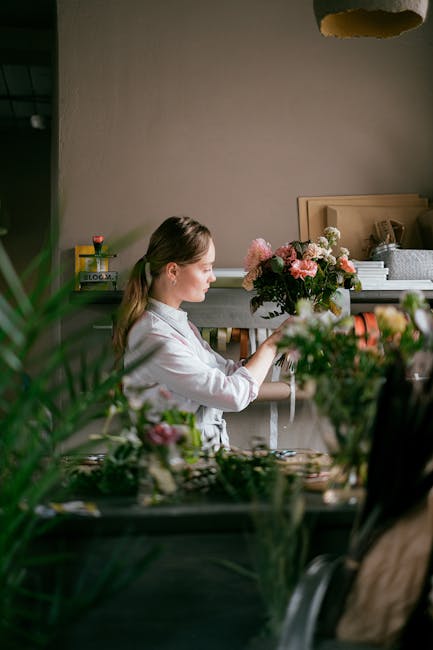
Fresh flowers are one of those simple pleasures that can change a room fast. You open the door, smell that clean green scent, and suddenly the place feels calmer. But a beautiful bouquet is only as good as its care, and that is where a few florist tips become genuinely useful. Essex Road florist insider tips for lasting bouquets matter because they help you get more value, more enjoyment, and less waste from every arrangement.
In a busy London routine, flowers are often bought on the way home, collected before a visit, or sent as a same-day surprise. That means they may spend time in warm shops, car boots, bus journeys, or office reception areas before they reach a vase. Small handling mistakes then compound quickly. A slightly crushed stem, a warm windowsill, or a vase that was not properly cleaned can shorten vase life by days. Not ideal.
There is also a trust element. If you are buying from a local florist or ordering from a nearby delivery service, you want the bouquet to arrive looking good and stay that way. Knowing what to ask for, what flowers tend to hold up well, and how to care for them at home gives you a better result every time.
Practical takeaway: longevity is not just about the flower type. It is about the full chain: selection, conditioning, transport, water quality, and daily maintenance.
How Essex Road florist insider tips for lasting bouquets Works
At its core, bouquet longevity comes down to limiting stress. Flowers are cut plants, so they are trying to keep drinking water while fighting air, bacteria, heat, and dehydration. The florist's job is to reduce those stresses before the bouquet leaves the shop. Your job is to keep that good start going once it reaches home.
Here is the plain-English version. Fresh stems drink best when they are cut cleanly, placed in clean water, and kept cool. The leaves below the waterline should be removed because they rot quickly and feed bacteria. The vase should be large enough that stems are not crammed together, and the bouquet should be placed away from direct sun, radiators, ripening fruit, and draughts. Seems obvious when you say it out loud, but plenty of bouquets still end up next to the kettle. We all do it.
Different flowers behave differently too. Roses, tulips, lilies, alstroemeria, carnations, chrysanthemums, and mixed florist-choice bouquets all have their own quirks. Some are naturally long-lasting; others are more delicate but still worth buying if they are prepared properly. A florist who knows the stock will often steer you toward the right combination for your budget and the occasion.
You will also notice that bouquet design affects vase life. Tight, compact arrangements can hold moisture well but may need more careful airflow. Looser hand-tied bouquets are easier to re-cut and re-condition. Mixed arrangements may have stems with different thirst levels, so one size rarely fits all. That is why a florist's guidance can be so useful, especially when you are choosing between a vibrant display and something more durable.
Key Benefits and Practical Advantages
When you understand the best ways to keep flowers fresh, the benefits show up very quickly. The bouquet looks better on day three. It stays presentable for a dinner party. It lasts through a weekend away, or long enough for a recipient to actually enjoy it rather than feel guilty about it wilting.
- Longer vase life: Better conditioning and aftercare can add meaningful extra days.
- Better value: A bouquet that lasts longer simply works harder for your money.
- Stronger presentation: Fresh-looking flowers make gifts feel more thoughtful.
- Less waste: You throw away fewer stems and replace arrangements less often.
- More confidence when buying: You can choose flowers based on lifespan, not just appearance.
There is also a subtle emotional benefit. Flowers that hold up well keep doing their job. They greet you in the hallway, soften a work desk, or brighten a breakfast table for days on end. That steady lift matters more than people admit, especially in the darker months when everything in London feels a little greyer at 5pm.
If you are buying for a special event, longevity also helps with timing. A bouquet can be ordered a day or two in advance, or received slightly before the occasion, if you know the flowers are resilient and the care routine is sound. That makes planning simpler.
Who This Is For and When It Makes Sense
This advice is useful for almost anyone buying flowers, but it is especially helpful in a few common situations.
- Gift buyers: If you are sending flowers to someone who may not know how to care for them, durability really matters.
- Home decorators: For dining tables, hallways, and living rooms, you want a display that stays fresh without daily fuss.
- Event planners: Weddings, dinners, and receptions need flowers that still look polished after transport and setup.
- Budget-conscious shoppers: When every pound counts, vase life becomes part of the value calculation.
- Anyone buying in warm weather: Summer deliveries, office pickups, and longer journeys need a bit more care.
It also makes sense if you tend to choose flowers by colour or mood rather than by species. Nothing wrong with that, by the way. But once you know which blooms naturally last longer, you can make better choices without giving up the look you want. A rich mix of mixed colours can still be practical if the florals are selected with longevity in mind.
If you are choosing flowers for a specific occasion, you can also match the bouquet style to the setting. A compact hand-tied bouquet for a small flat. A larger, more dramatic arrangement for a gathering. A simple, sturdy bouquet for a hospital or office space where water changes may be less frequent. Different needs, different answers.
Step-by-Step Guidance
Here is the simple process we would recommend if your aim is to get the best possible vase life from a bouquet.
- Choose flowers known for longevity. Carnations, chrysanthemums, alstroemeria, lilies, and some rose varieties usually perform well. Mixed bouquets can be excellent too, if they are thoughtfully arranged.
- Ask for fresh stock or florist's choice. If you are not fixed on one look, a florist's choice bouquet often uses whatever is freshest that day. That can be a smart move. Honestly, sometimes it is the cleverest one.
- Get the bouquet home quickly. Keep it upright if possible and avoid leaving it in a warm car or by a sunny window.
- Prepare a clean vase. Wash it properly with hot soapy water, rinse well, and make sure no residue is left behind.
- Fill with fresh, cool water. Add flower food if it is supplied, following the packet instructions rather than guessing.
- Strip lower leaves. Anything below the waterline should be removed.
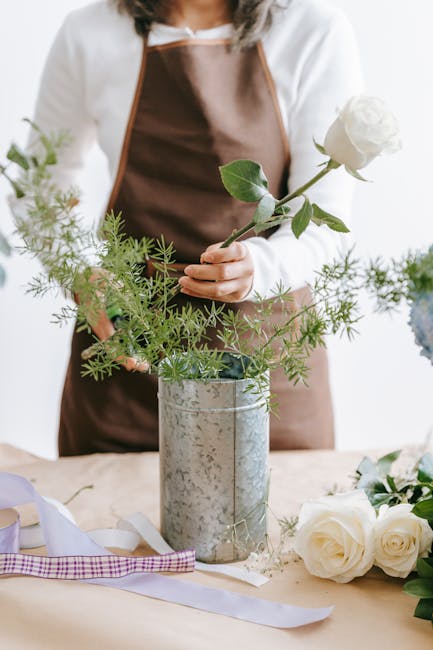
- Re-cut the stems. Trim a small amount from the base at a diagonal angle. A sharp knife or secateurs is better than crushing the stems with blunt scissors.
- Arrange with breathing room. Do not pack the stems too tightly unless the bouquet design demands it.
- Keep it cool and away from fruit. Heat and ripening fruit can shorten life. Bananas are cheerful, flowers less so.
- Change the water regularly. Top up daily and refresh fully every couple of days if you can.
If the bouquet contains woody stems or particularly thirsty flowers, you may need to re-cut them again after a day or so. You will notice it most in the first 48 hours: some stems perk up fast, while others need a second chance. That is normal.
For delivered arrangements, the first thing to do is open the packaging gently and let the bouquet breathe. If it arrives in a water source or hydration wrap, follow the florist's setup closely before transferring it to a vase.
Expert Tips for Better Results
Once you have the basics right, the small refinements make all the difference. This is where a florist's experience really shows.
Choose long-lasting varieties on purpose
Some flowers naturally last longer than others. If your priority is vase life, lean toward carnations, alstroemeria, chrysanthemums, roses with firm petals, lilies in bud, and sturdy seasonal mixes. Delicate flowers can still be lovely, but they are not always the best choice for maximum longevity.
Watch the waterline, not just the petals
People often admire the bloom and ignore the stem ends. That is where the trouble starts. Cloudy water usually means bacteria is building up. If the water smells a bit off, change it. Simple, but effective.
Don't overfill the vase
More water is not automatically better. The stem ends need enough depth to drink, but too much water can drown softer stems or make the bouquet unstable. Aim for balance.
Use the right vase shape
A vase that suits the bouquet keeps the stems supported without squeezing them. Tall stems generally need a taller vase. Compact bouquets suit shorter, broader vessels. Small detail, big impact.
Keep flowers away from nightly heat cycles
Flowers do better in stable conditions. A spot near a radiator may seem fine during the day, then suddenly becomes too warm at night. Likewise, a windowsill that looks bright in the morning can become a heat trap by lunch.
Separate troublemakers
Some flowers and materials release more moisture or debris than others. If one stem is dropping pollen or fading quickly, remove it before it affects the rest. A tidy vase is a longer-lasting vase. Not glamorous, but true.
Use florist advice to your advantage
If you are unsure, ask what is best that week. Local florists usually know which stock has just come in, which blooms are holding especially well, and which arrangements are safest for a long display. That kind of advice is worth listening to.
For a reliable starting point, take a look at a florist's care guidance such as flower care advice and compare it with the bouquet's specific needs. General care is useful, but the best results come from matching the advice to the flower mix you actually bought.
Common Mistakes to Avoid
Most short-lived bouquets fail for surprisingly ordinary reasons. Nothing dramatic. Just a handful of avoidable errors stacking up.
- Using a dirty vase: Even a little residue can shorten freshness.
- Leaving leaves in the water: This speeds up bacterial growth.
- Forgetting to re-cut stems: Stems seal over and drink less efficiently.
- Placing bouquets near heat: Radiators, ovens, and direct sun all dry flowers out.
- Ignoring flower food instructions: Too much or too little will not help.
- Overcrowding the vase: Tight arrangements need more care, not less.
- Buying only on looks: Beautiful petals are great, but freshness and structure matter more.
Another common slip is treating all bouquets the same. A rose-heavy arrangement, a mixed seasonal hand-tied bouquet, and a vase arrangement with lilies do not behave identically. They are related, yes, but not clones. The care should reflect that.
And one more thing: if a bouquet arrives slightly closed, do not panic. Some flowers are sold in bud so they last longer. That is a good thing, not a flaw. Give them a day or two and they may open beautifully. Patience, basically.
Tools, Resources and Recommendations
You do not need a complicated setup to keep bouquets looking good. A few basic tools are enough.
| Tool or resource | Why it helps | Practical note |
|---|---|---|
| Clean vase | Reduces bacteria and keeps water fresher | Wash thoroughly before every new bouquet |
| Sharp knife or secateurs | Makes a cleaner cut than blunt scissors | Re-cut stems at a slight angle |
| Flower food | Supports hydration and helps slow bacterial build-up | Use exactly as instructed |
| Cool room | Extends vase life by slowing dehydration | Keep away from heat sources and fruit bowls |
| Florist guidance | Helps match bouquet type to occasion and lifespan | Especially useful for gifts and events |
It can also help to explore bouquets by style if you want longevity built into the choice from the start. A well-chosen florist choice arrangement often gives the best balance of freshness, variety, and value because the florist can work with the best stems available that day.
If you are buying for a specific budget, a carefully selected budget bouquet can still last well if the stems are fresh and the arrangement is sensible. Cheap does not have to mean flimsy. It really doesn't.
For bigger moments, you may want a more premium arrangement with stronger structure. In that case, options such as luxury flowers can be worth considering because the design often supports better presentation and more stable handling.
Law, Compliance, Standards, or Best Practice
For most customers, flower care is not a legal issue in the strict sense. Still, there are a few practical best-practice points worth keeping in mind. If you are buying flowers for businesses, venues, or sensitive settings, it helps to think in terms of hygiene, clarity, and responsible handling.
In the UK, reputable florists should present products clearly, describe delivery and refund terms sensibly, and handle customer data and payments in line with standard business practices. If you are placing an order online, it is sensible to review the florist's delivery information, terms, payment details, and refund guidance before confirming. That is just good sense, really.
From a care perspective, the main standard is cleanliness. Clean containers, fresh water, tidy stems, and sensible placement are the baseline. For sympathy flowers, event work, or corporate arrangements, there may be additional expectations around timing, presentation, and discretion. That is not a formal compliance issue for most buyers, but it is a professionalism issue.
If you are ordering for a venue, office, or sensitive occasion, a trusted florist should be able to explain delivery windows, substitutions if certain stems are unavailable, and how the arrangement will be packed for transport. If that information is not clear, ask. A decent florist will not mind.
For peace of mind, you can also review the florist's general customer information pages such as delivery details, guarantees, and returns and refund guidance before ordering. That does not replace common sense at home, but it helps set expectations properly.
Options, Methods, or Comparison Table
There are several ways to approach bouquet buying if your main goal is longevity. The best choice depends on whether you prioritise lifespan, appearance, convenience, or price.
| Approach | Best for | Strengths | Trade-offs |
|---|---|---|---|
| Florist's choice bouquet | Freshness and flexibility | Usually uses the freshest available stock | Less control over exact blooms |
| Single-variety bouquet | Consistency and style | Easier to care for because stems behave similarly | Can be less varied visually |
| Mixed seasonal arrangement | Full, natural look | Offers colour, texture, and character | Different stems may need different care |
| Vase arrangement | Convenience | Arrives ready to display | Can be harder to re-cut or rearrange later |
| Hand-tied bouquet | Gift giving and home display | Easy to place in your own vase | Needs a little more immediate care on arrival |
If lifespan is your top priority, a florist's choice or single-variety bouquet often gives the simplest aftercare. If you want a more tailored occasion piece, a themed arrangement can still last well, but the care needs to be a bit more attentive. For example, a bright seasonal mix like summer flowers may look wonderfully lively, yet it will appreciate a cooler room and regular water changes.
For gifting, presentation often matters as much as endurance. A bouquet can be both beautiful and resilient, which is really the sweet spot.
Case Study or Real-World Example
Picture a fairly ordinary Friday afternoon. Someone stops by a florist on Essex Road on the way to a friend's birthday dinner. They want something cheerful, not too formal, and ideally something that will still look decent by Sunday. The florist suggests a mixed bouquet with sturdier stems, trims it properly, and reminds the customer to put it in fresh water straight away.
At home, the recipient does the basics right: clean vase, lower leaves removed, stems recut, bouquet kept away from the kitchen window. Nothing fancy. Just the sensible stuff. By the next morning the flowers have opened a little more and the room smells fresh rather than fusty. By the end of the weekend, the bouquet still looks good enough to keep on the table.
That simple chain is the point. It is not one heroic trick. It is a sequence of decent decisions. The florist chooses better starting material, and the household keeps the momentum going. To be fair, that is how most long-lasting bouquets are won.
In a different setting, say a corporate reception or a welcome display, the same logic applies. A sturdier arrangement, such as a refined vase display or a balanced bouquet from a trusted collection, often outperforms a very delicate design because the flowers can handle a couple of days of indoor warmth and regular attention. If the arrangement is intended for a desk or shared space, a choice like flowers in a vase can be especially practical.
Practical Checklist
Use this quick checklist before and after your bouquet arrives. It saves time later, and yes, it really does make a difference.
- Choose fresh-looking stems with firm heads and healthy leaves.
- Ask which flowers are likely to last best this week.
- Keep the bouquet cool during transport.
- Use a properly cleaned vase.
- Fill with fresh water and add flower food if provided.
- Remove any leaves below the waterline.
- Re-cut stems before arranging them.
- Place the vase away from heat, fruit, and direct sun.
- Top up the water daily.
- Refresh the water and re-cut stems if needed after a couple of days.
- Remove fading flowers before they affect the rest.
- Ask your florist for care guidance when in doubt.
If you want a practical starting point, browse a range that suits your occasion and taste, then choose the freshest option rather than the flashiest one. A well-chosen bouquet does not need a dramatic backstory. It just needs good stems and decent care.
Get a free quote today and see how much you can save.
Conclusion
Lasting bouquets are not about luck. They come from a mix of good flower choice, proper conditioning, and the kind of everyday care that takes only a few minutes. That is the real heart of Essex Road florist insider tips for lasting bouquets: buy smarter, handle flowers gently, and keep the water clean. Simple advice, yes, but it works.
Whether you are ordering for a birthday, choosing flowers for your home, or sending a thoughtful gift across town, these small habits can make the difference between a bouquet that fades fast and one that keeps brightening the room all week. And that, honestly, is the point of flowers in the first place.
Choose well, care well, and let the bouquet do what it does best: make an ordinary day feel a little more lifted.
Frequently Asked Questions
How do I make a bouquet last longer at home?
Start with a clean vase, fresh water, and a small recut on the stems. Remove leaves below the waterline, keep the bouquet cool, and change the water regularly. That routine alone usually improves vase life noticeably.
Which flowers last the longest in a bouquet?
Carnations, chrysanthemums, alstroemeria, roses with firm buds, and many lilies tend to perform well. That said, freshness at the point of purchase matters just as much as the flower type.
Should I cut flower stems before putting them in water?
Yes. A fresh diagonal cut helps the stems drink more effectively. Use a sharp knife or secateurs if possible, because blunt scissors can crush the stem ends a bit.
Is flower food actually worth using?
Usually, yes. It helps support hydration and slows bacterial growth when used properly. The key is to follow the instructions on the packet rather than adding more in the hope it will help faster.
How often should I change the water in a vase?
Top it up daily if you can, and change it fully every couple of days. If the water looks cloudy or smells off, change it sooner.
Do flowers last longer in a cool room?
Generally they do. Heat speeds up wilting, so a cooler room away from direct sun and radiators is usually better for vase life.
Can I put flowers near fruit?
It is better not to. Ripening fruit can release gases that may shorten the life of some flowers. A fruit bowl and a bouquet are not the best neighbours.
Why do some bouquets wilt quickly even when I care for them properly?
Sometimes the flowers were already past their best when bought, or the bouquet contained more delicate stems. Transport conditions can also make a difference. If this happens often, ask for fresher stock or a hardier mix next time.
Are florist's choice bouquets better for longevity?
They often can be, because the florist may use the freshest stems available that day. You give up some control over exact flowers, but you may gain better overall performance.
What is the best bouquet type for a gift if I want it to last?
A well-made hand-tied bouquet with sturdy flowers is a safe option. If the recipient may not have a vase ready, a vase arrangement can be even easier. Think about convenience as well as appearance.
How should I care for a bouquet when it arrives by delivery?
Open it carefully, follow any florist instructions, trim the stems if needed, and get the flowers into clean water quickly. Try not to leave the bouquet wrapped up longer than necessary, especially in warm weather.
Do expensive flowers always last longer?
No, not always. Price can reflect rarity, design, or size rather than lifespan. A modest but fresh bouquet can outlast a pricey but delicate arrangement if it is better suited to the conditions.
What should I ask a florist if I want a lasting bouquet?
Ask which flowers are freshest, which varieties last longest this week, and how the bouquet should be cared for at home. A good florist should answer plainly and without fuss.